

How Did We Get Here?
Money has never stood still. Over thousands of years it has continually evolved alongside human civilization. Every major change solved one problem while creating another. Understanding that history helps us understand why another evolution may now be possible.
Before 3000 BC: Trade Before Currency
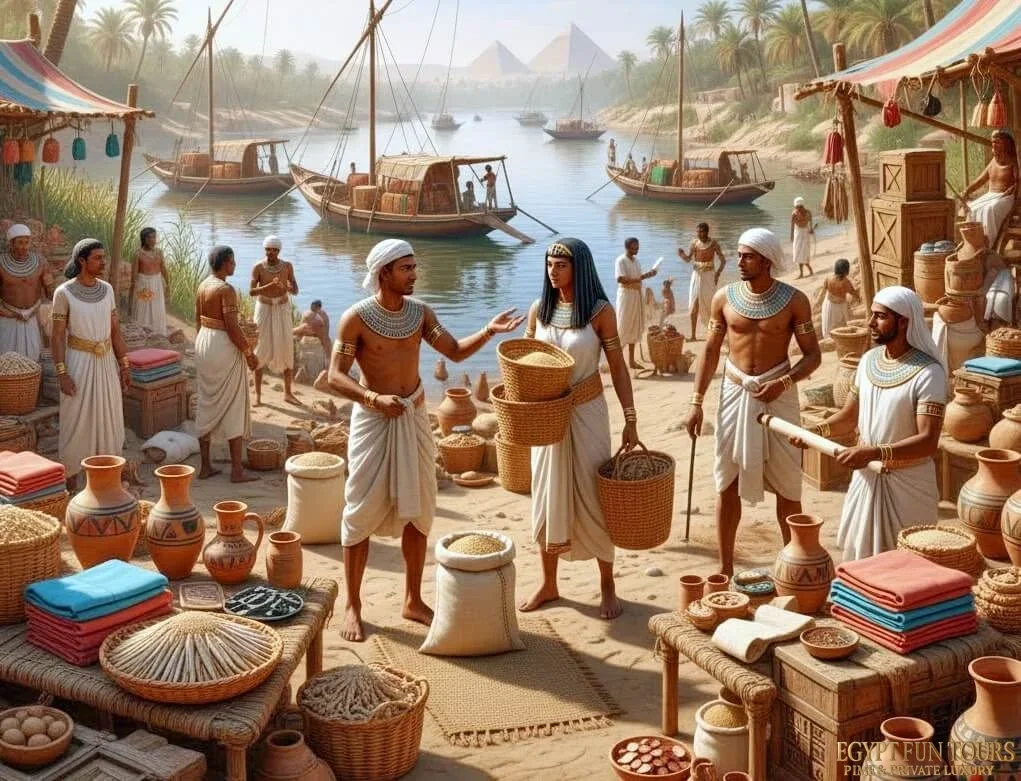
Communities originally exchanged goods directly through barter. While simple, barter required each person to possess exactly what another wanted, making trade increasingly inefficient as societies grew larger.
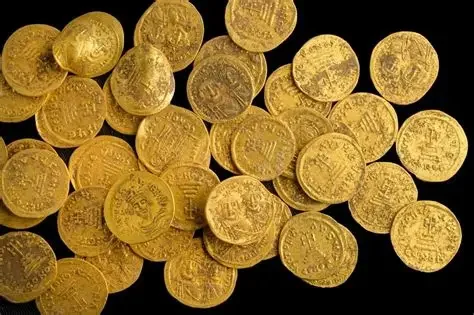
3000 BC: Commodity Money - Gold, Silver and Scarcity
Precious metals gradually became trusted stores of value because they were durable, divisible, portable, and naturally scarce. Gold and silver enabled trade across larger distances and more complex economies.
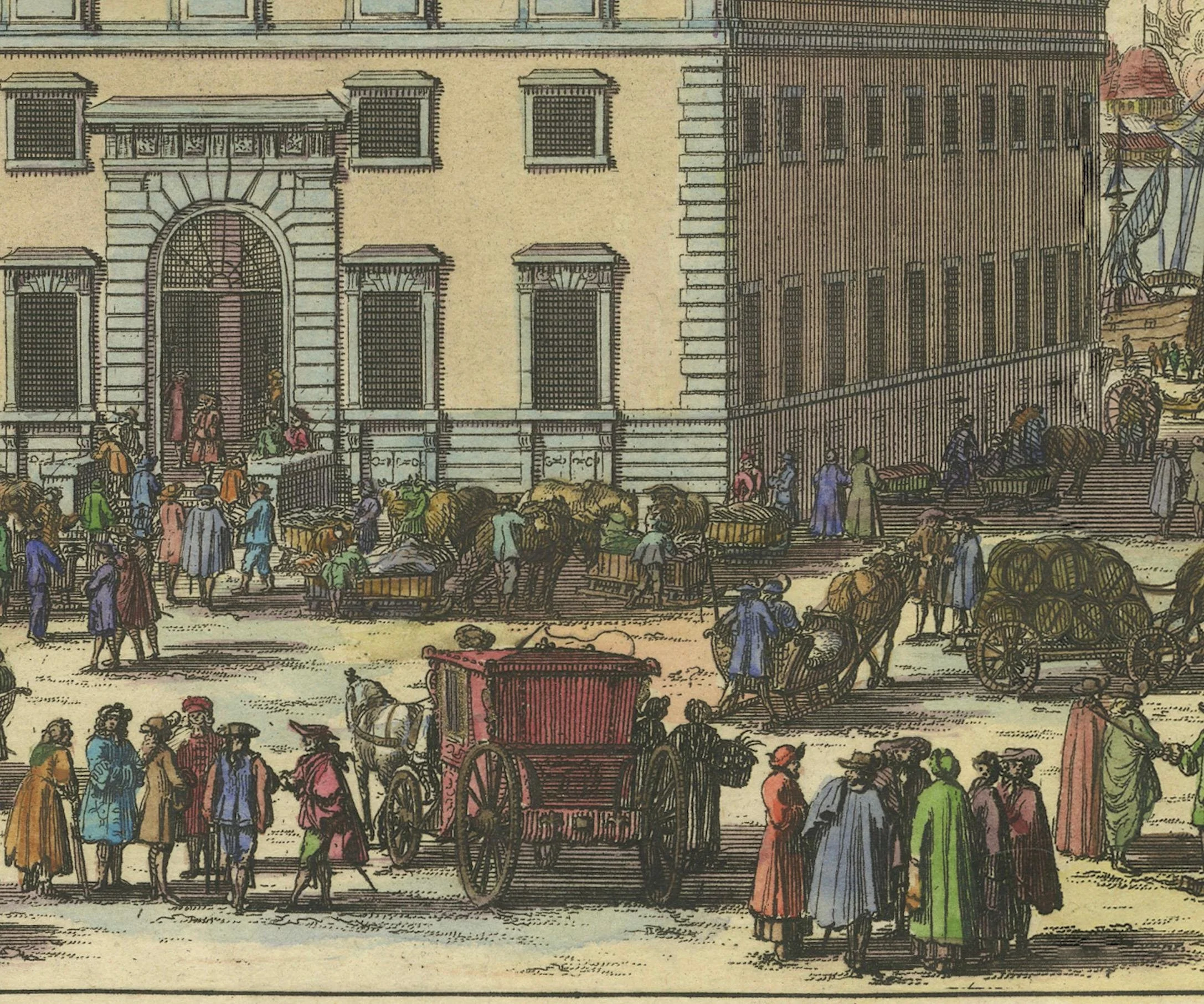
1600s: The Rise of Banking
As commerce expanded, banks emerged to store gold, facilitate trade, and issue paper claims backed by deposited precious metals. Banking made commerce more efficient, but it also introduced new financial intermediaries between people and their money.
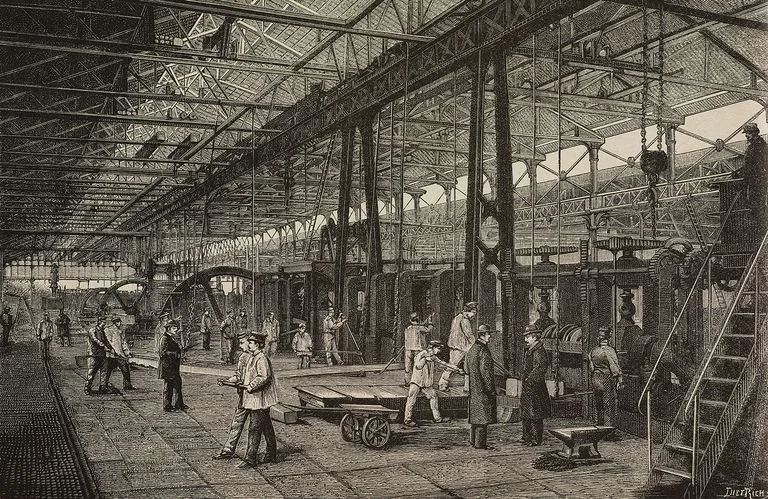
1700-1800s: Industrial Revolution
Industrialization transformed production on an unprecedented scale. Banks increasingly financed factories, railways, and infrastructure through expanding credit, accelerating economic growth while deepening the role of debt in modern economies.
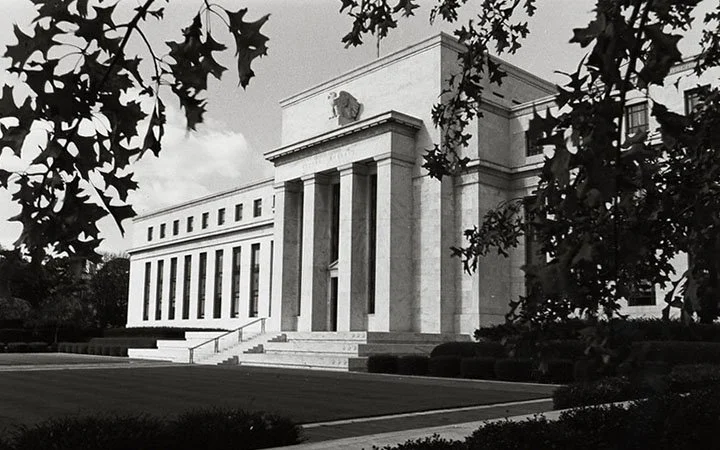
1913: Central Banking - The Federal Reserve
The establishment of the Federal Reserve marked a major change in how money and credit were managed in the United States. Central banking became increasingly influential in regulating the financial system and responding to economic cycles.
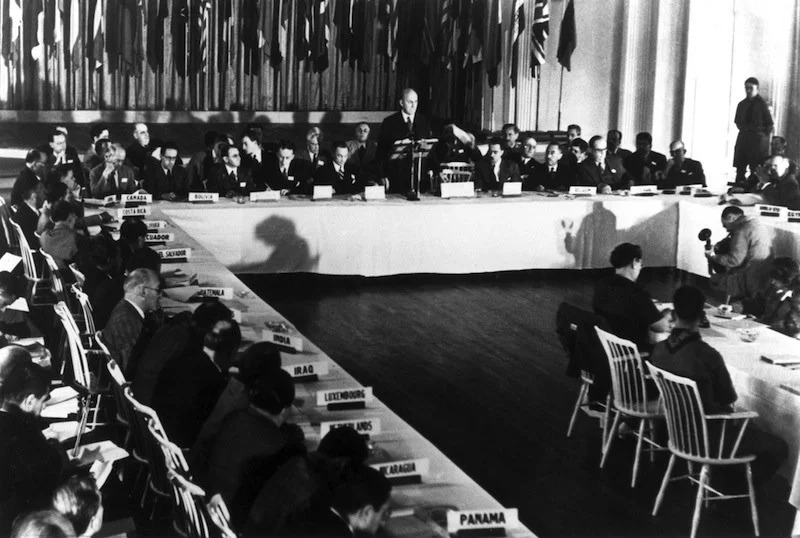
1944: Bretton Woods - A New Global Monetary Order
Following World War II, nations created the Bretton Woods system, linking major currencies to the U.S. dollar while the dollar remained convertible into gold. This framework shaped international finance for decades.
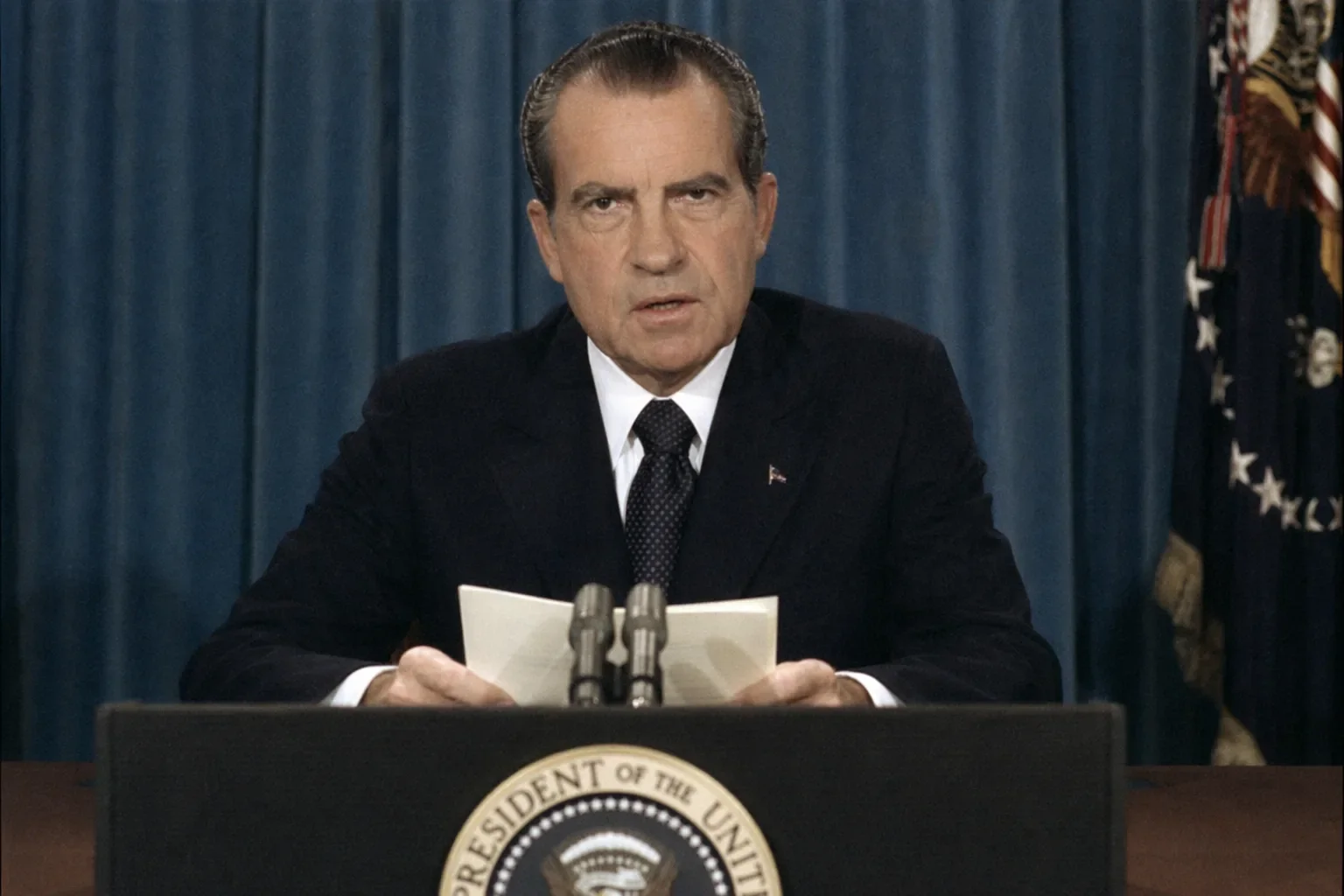
1971: The Dollar Leaves Gold
In 1971, the United States suspended the dollar's convertibility into gold, effectively ending the Bretton Woods system. Modern fiat currencies were thereafter backed by government authority rather than direct redemption in precious metals.
1990s: Internet Era - Money Goes Digital

As the internet transformed communication, money increasingly became electronic. Debit cards, online banking, digital payments, and electronic transfers replaced physical cash for much of everyday commerce.

2009: Bitcoin - Blockchain Changes the Conversation
Bitcoin introduced the first widely adopted decentralized blockchain network, demonstrating that digital scarcity and peer-to-peer value transfer could operate without traditional financial intermediaries. It expanded the conversation about what money could become.
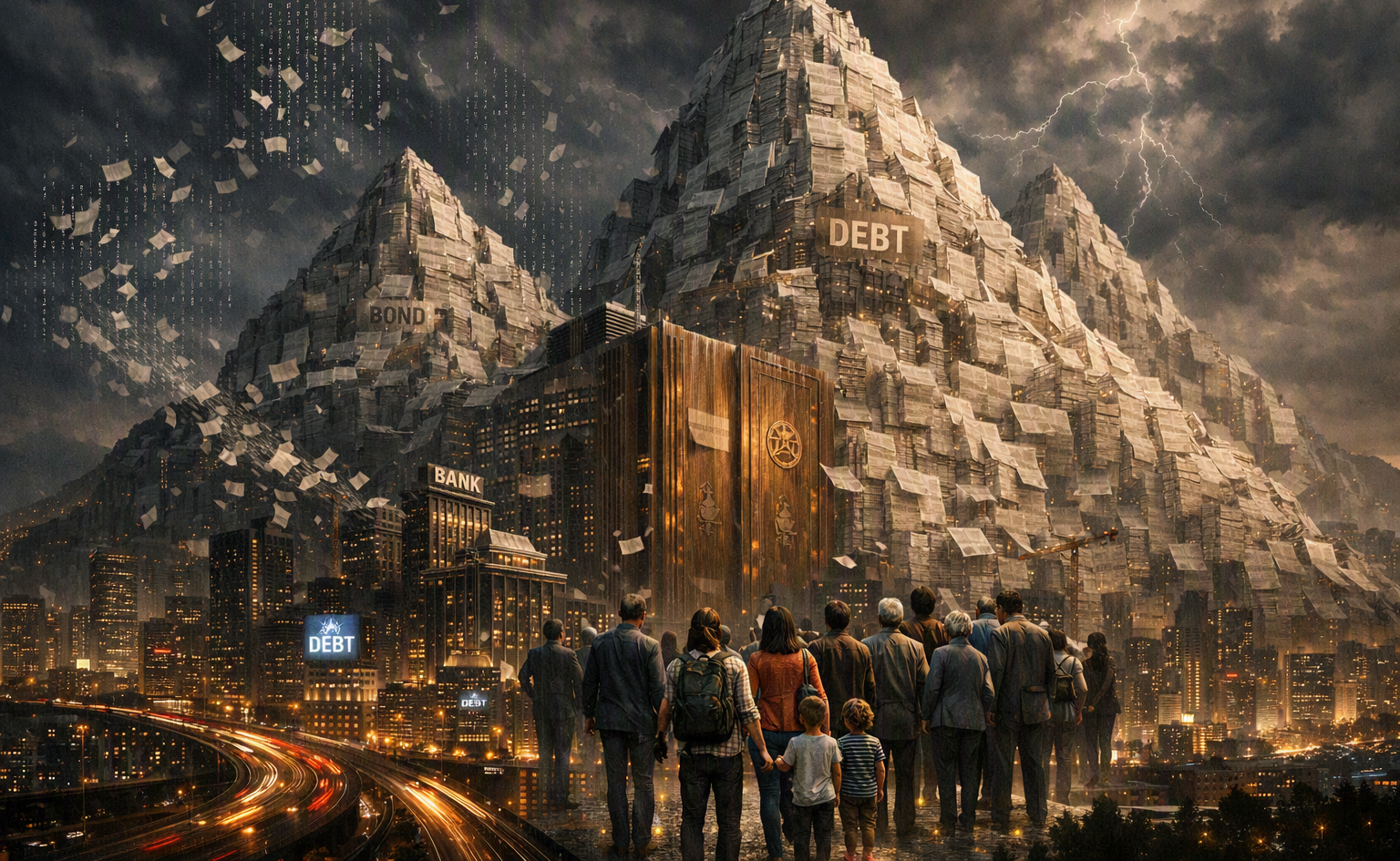
Today: A World of Debt
Today's global economy combines unprecedented technological capability with historically high levels of public and private debt. At the same time, digital technology has expanded the range of possible monetary systems and sparked renewed debate about how money should be created and governed.
Tomorrow: The Next Evolution?

Every monetary system in history emerged in response to the challenges of its time. The Second Value Protocol asks whether verified productive activity, decentralized technology, and community participation could form the basis of another evolution in how money is created and distributed. Whether that vision succeeds will depend not on one person, but on the communities willing to explore it together.